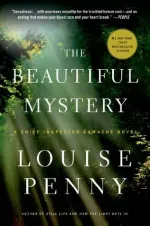
The Beautiful Mystery
by Louise Penny
A monk is murdered in a remote monastery famous for its Gregorian chants, and Gamache must solve the crime while cut off from the outside world.
Review
Penny strands Gamache in a remote monastery deep in the Quebec wilderness, and the result is her most atmospheric novel yet. Saint-Gilbert-Entre-les-Loups is home to two dozen monks whose Gregorian chants have unexpectedly become a worldwide sensation. When the choirmaster is found dead, Gamache and Beauvoir arrive by seaplane to investigate in near-total isolation.
The monastery setting is magnificent. Penny captures the rhythms of monastic life — the silences, the rituals, the strange intimacy of men who have chosen to live together in seclusion — with sensitivity and precision. The stone walls and candlelit corridors create a setting that feels both sacred and suffocating.
The murder is rooted in a schism within the community. The monks are divided over whether their music should be shared with the world or kept as a private devotion. It is a conflict between humility and pride, tradition and change, and Penny makes both sides sympathetic without ever losing sight of the fact that someone killed over this disagreement.
The relationship between Gamache and Beauvoir comes under enormous strain in this novel. Cut off from the outside world, tensions that have been building across several books finally surface. Their dynamic shifts in ways that feel both shocking and inevitable, and Penny handles the emotional fallout with her characteristic honesty.
Music is central to the story, and Penny writes about it beautifully. She conveys the power of plainchant — its simplicity, its capacity to move and disturb — without resorting to technical jargon. The title itself refers to the mystery of why music affects us so deeply, a question the novel explores without pretending to answer.
The investigation proceeds at a measured pace that suits the setting perfectly. There are no car chases or forensic laboratories here, just Gamache sitting with monks, asking quiet questions, and listening with the patience that defines his method.
The ending is devastating in ways that extend well beyond the identity of the killer. Penny makes choices here that permanently alter the series, and she does so with a courage that lesser writers might lack. A haunting and deeply rewarding novel.